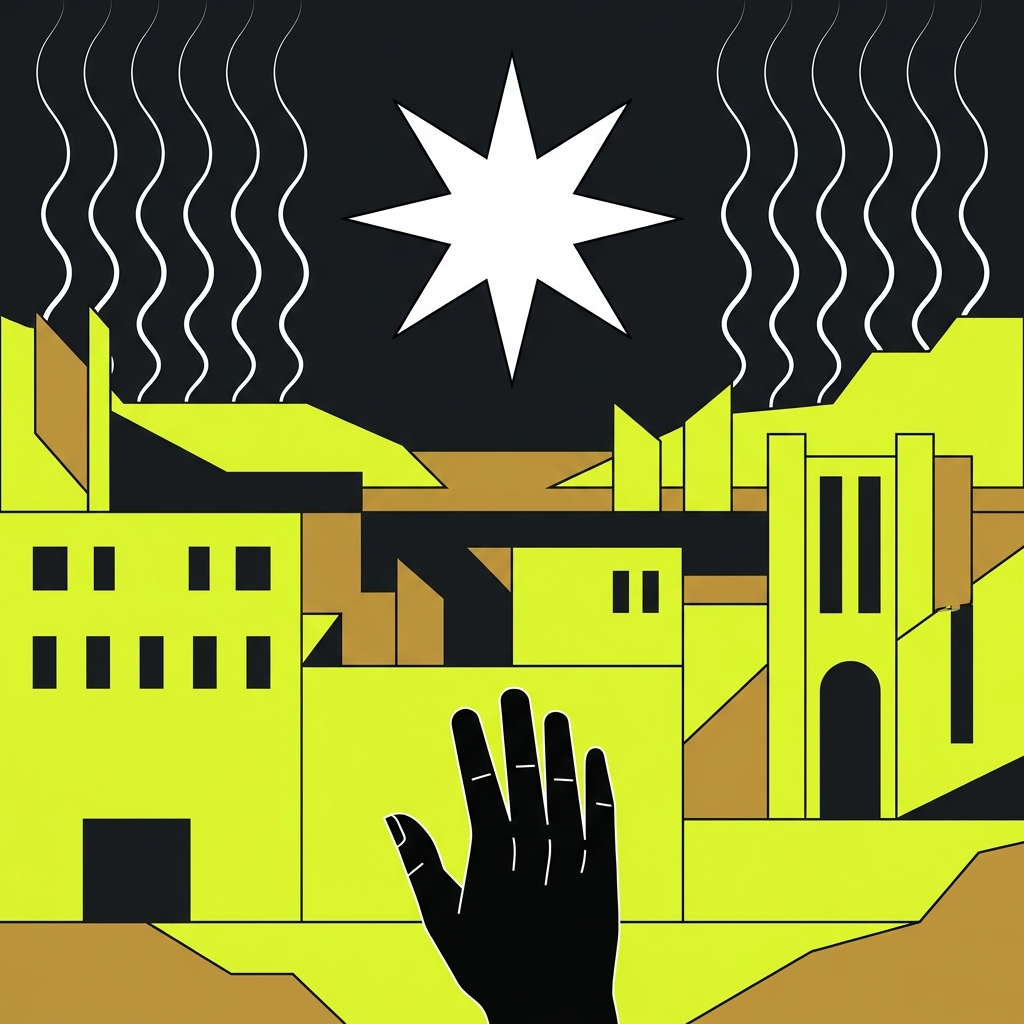
Tripoli's nights are getting hotter — and the harbour is the reason
How the urban heat island along Libya's capital coast is reshaping summer, sleep and electricity bills.
6 min read

Global data, translated into Libyan addresses.
Climate risk isn’t uniform. Select a region to see the pressures shaping life there — heat, water, land and the coast.
Libya’s dense coastal capital, where the urban heat island lifts night temperatures and drives summer cooling demand and load-shedding.
How the urban heat island along Libya's capital coast is reshaping summer, sleep and electricity bills.
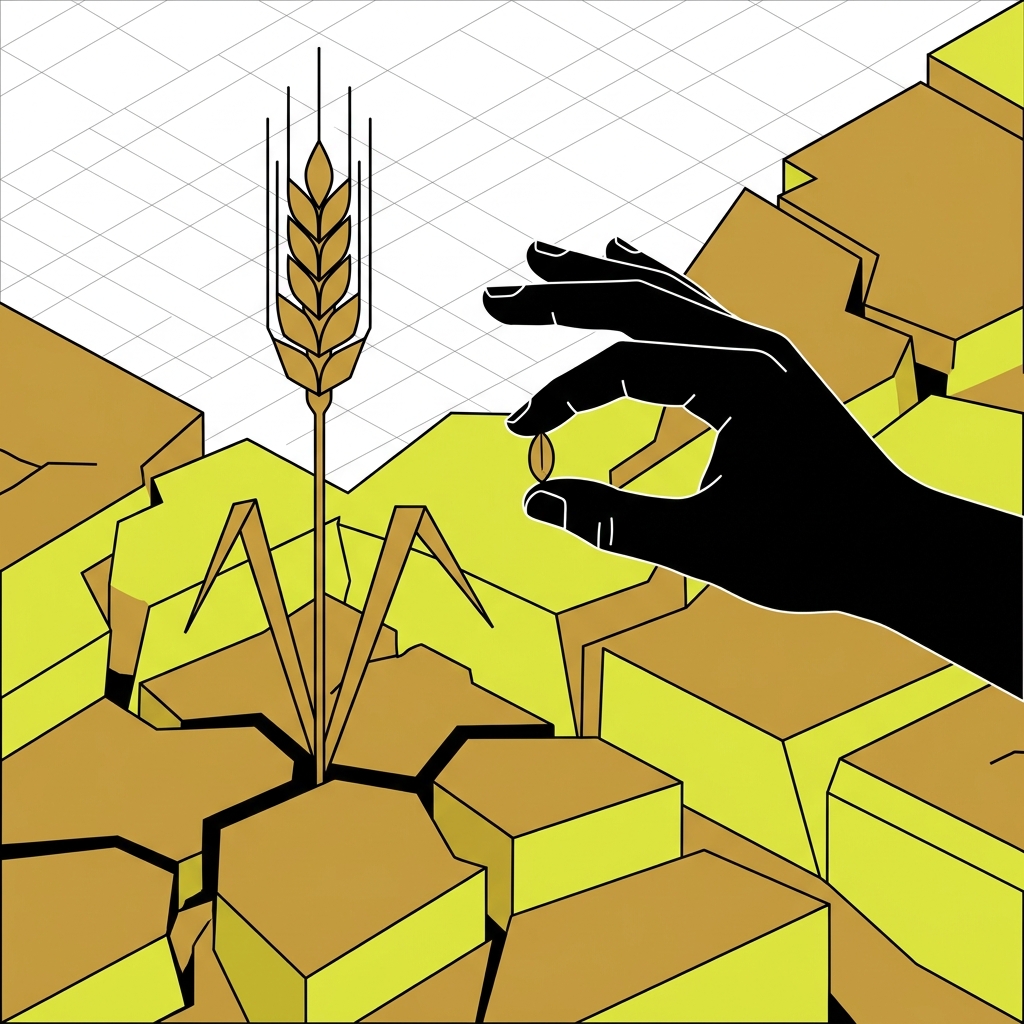
With 75%+ of calories imported, a drought in Ukraine or a heatwave in the Maghreb lands directly on the Libyan table.
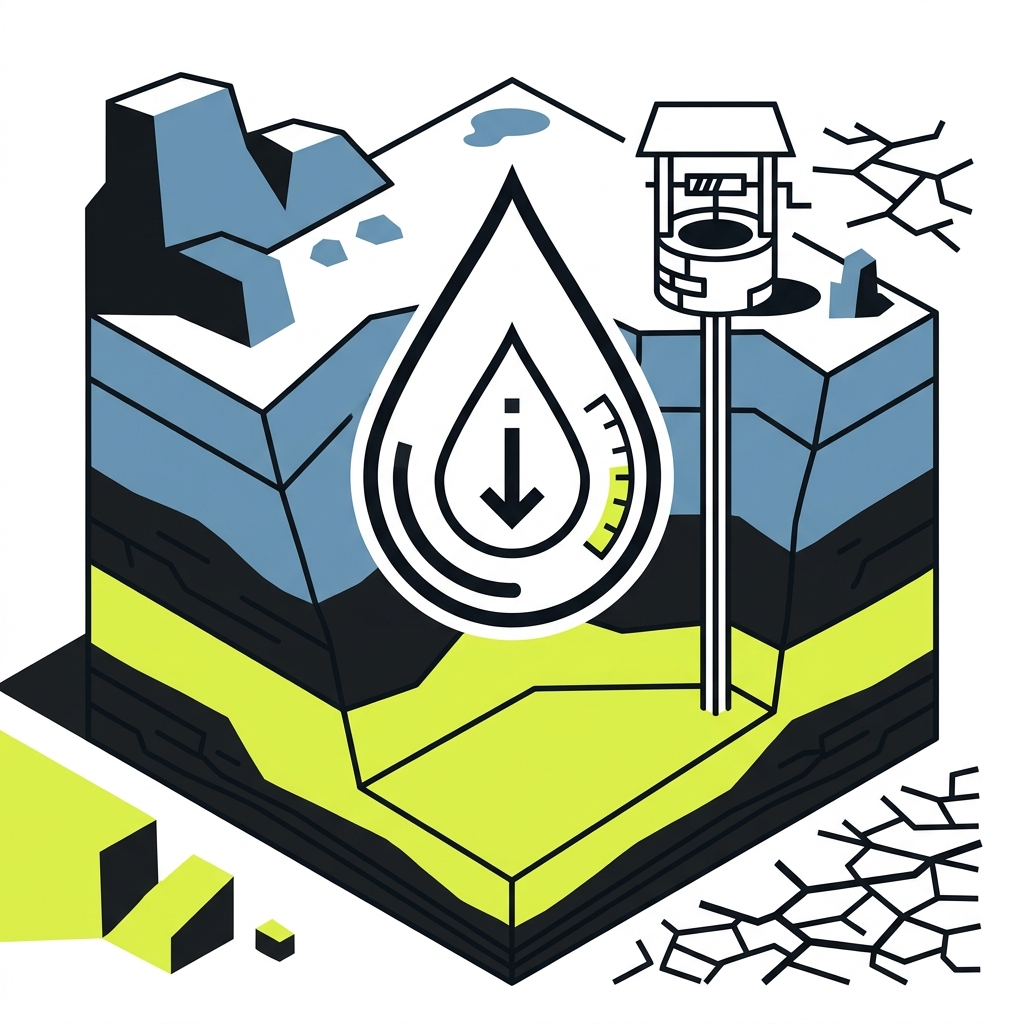
Fossil groundwater built modern Libya. We ask hydrologists in Sebha what happens when the aquifer keeps falling.

We read the World Meteorological Organization's annual report so you don't have to — and find the Libyan line.
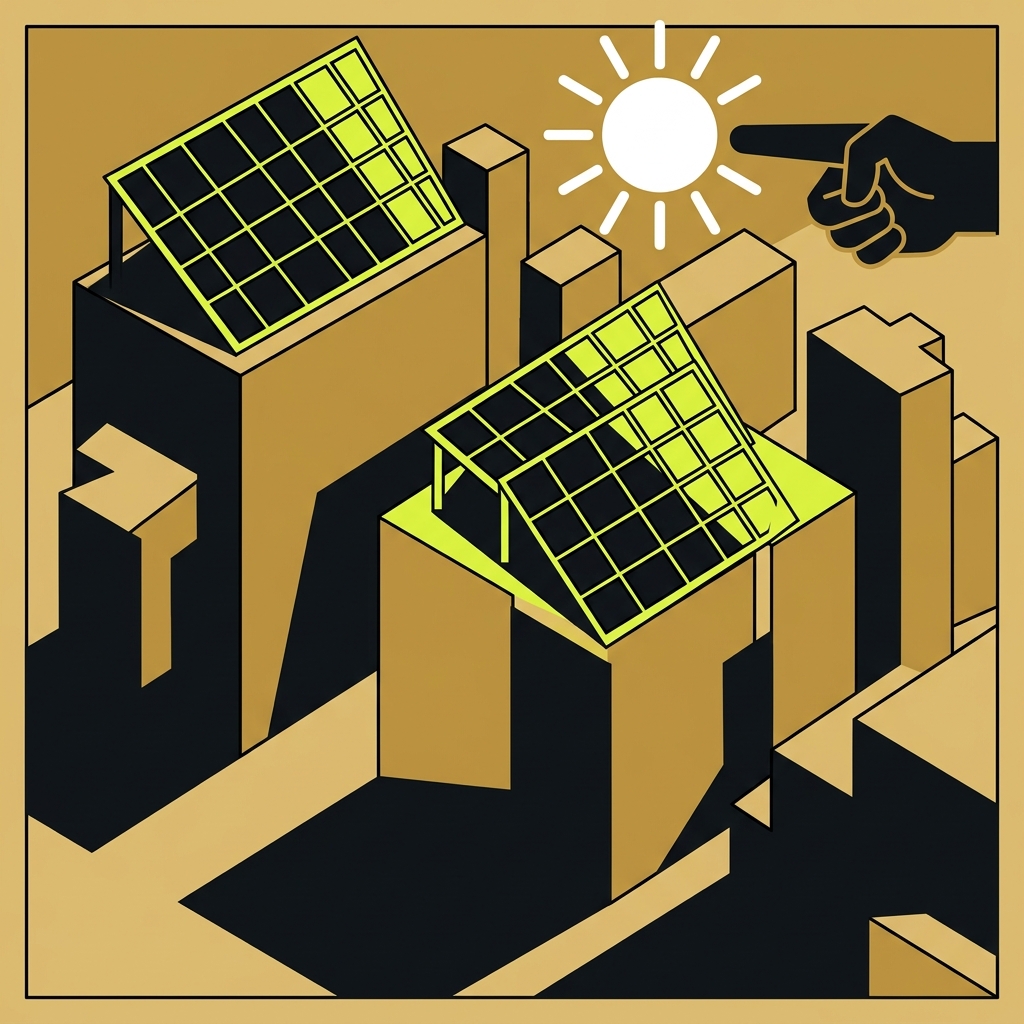
A practical look at distributed solar for a country with extraordinary sun and an overstretched grid.

One catastrophic night reframed flood risk for the whole country. We map where else is exposed.
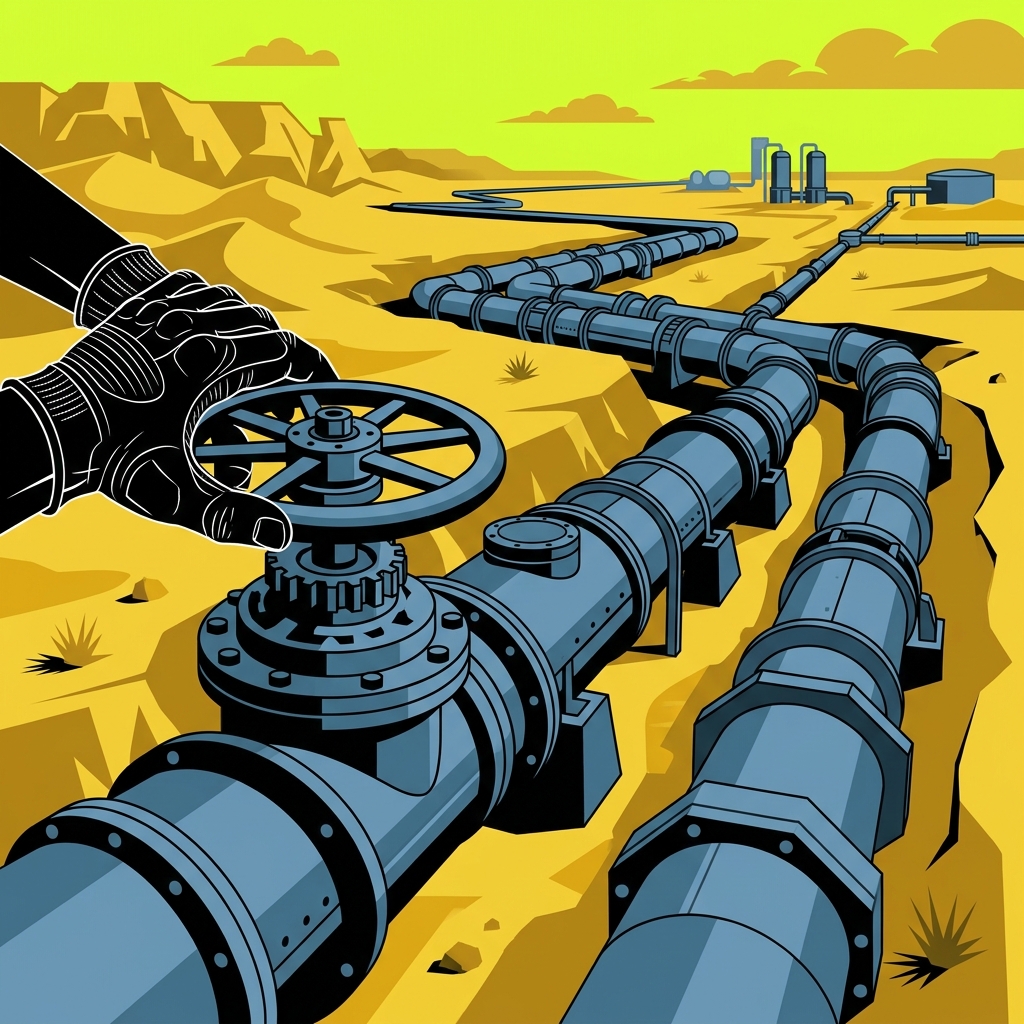
The Great Man-Made River draws from a fossil source. What the drawdown numbers mean for the next twenty years.

Generational knowledge meets a changing climate. What olive growers are noticing — and adapting to.
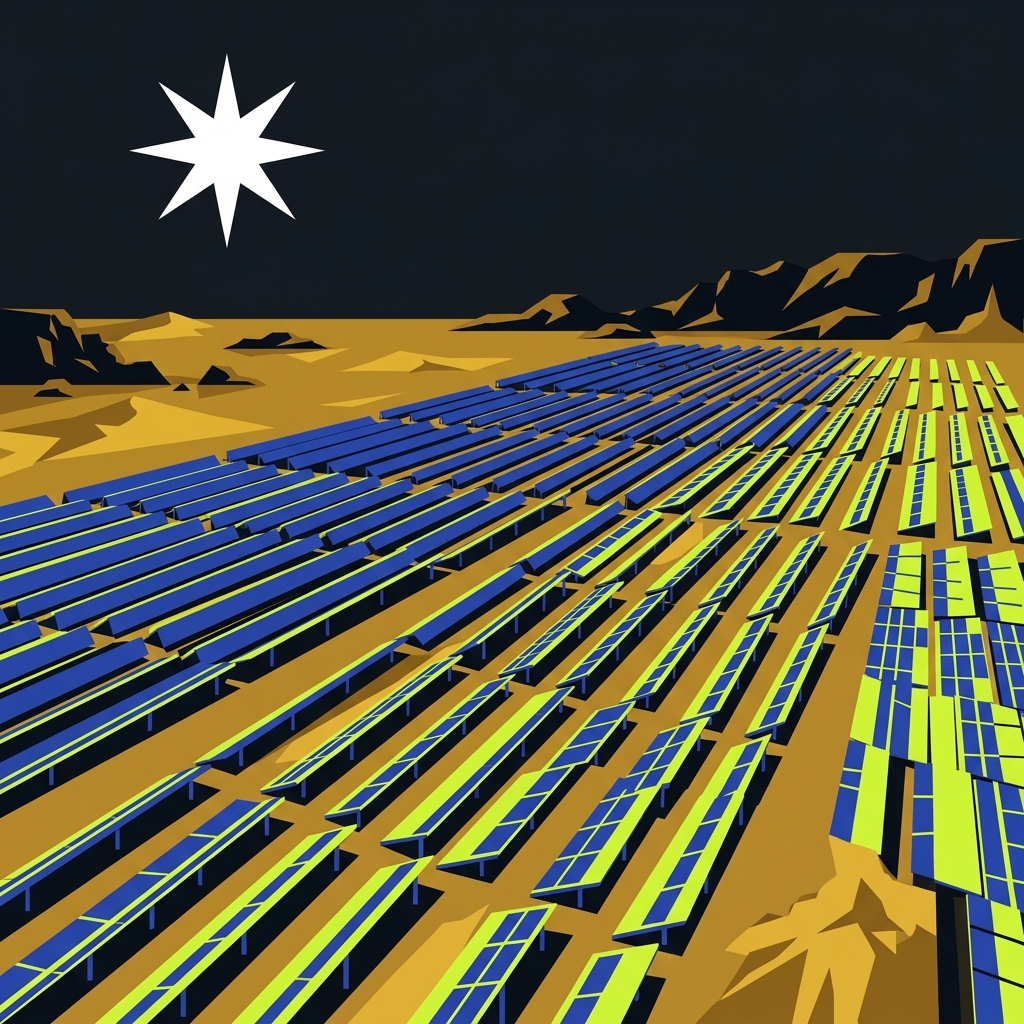
A structural look at why renewable transition has stalled — and the three conditions that could restart it.
Desertification is actively encroaching on agricultural land across the Jabal Nafusa and Jefara Plain — threatening food security for a population already dependent on imports for over 75% of its caloric needs.
SOURCES: WMO · IPCC AR6 · COPERNICUS LAND MONITORING · FAO LIBYA
Tasami publishes weekly. No noise — just Libya’s climate reality, clearly explained.
info@tasami.ly